
I'm good at turning
messy data into working systems.

I'm a developer based in Kathmandu. Most of my time goes into the thinking before the coding: how the data should be structured, how the pieces should fit together, what's likely to break later. The actual building tends to be the easy part once that's sorted.

Rabin Pant

Who I am

Full-stack developer. I like taking a system apart to see how the pieces fit before I add my own.

3+
Projects
5
AWS Certs
7+
Tech Stacks
4+
Years Learning
Rabin Pant

Rabin Pant

Full-Stack Developer

Kathmandu, Nepal
BSc (Hons) Computing
3+ Projects
5 AWS Certifications

My Journey

It started in 2022 with a pretty basic question: "how do websites actually work?" I've been building, breaking things, and figuring it out since then.

I picked Computer Science because I wanted the why, not just enough to copy-paste something that works.

2022

Getting started

I got curious about how websites actually work and built my first HTML and CSS page. That was enough to hook me.

2023

Going deeper

Picked up JavaScript and started building small static apps, then got interested in how bigger systems are put together.

2024

Finding a path

Started BSc (Hons) Computing. Spent a lot of time on software architecture, algorithms, and cloud computing.

2025

Building for real

Shipped three production apps and picked up five AWS certifications along the way. This is where I started treating full-stack work seriously.

Work experience

Full Stack Developer Intern

Karmachari Sanchaya Kosh

Pulchowk, LalitpurAugust 2026 - Present
Currently here
  • Built and maintained internal web applications using ASP.NET Core MVC and Web API.
  • Designed Entity Framework Core data models against an Oracle Database for the core business workflows.
  • Worked the full stack, from API endpoints to the UI, as part of the software development team.
C#ASP.NET Core Web APIASP.NET Core MVCEntity Framework CoreOracle Database

What I'm into besides tech

A few things I spend time on when I'm away from the keyboard.

Reading

Tech blogs, architecture write-ups, the old novels

Music

Finding new artists worth listening to

Gaming

Battle royal/RPGs games mostly

Outdoors

Hiking and biking when I need to get away from a screen

My skills

The tools and languages I reach for when turning an idea into a working system.

Frontend

Building responsive, interactive user interfaces

ReactNext.jsTypeScriptJavaScriptHTML5CSS3Tailwind CSS

Backend

Scalable APIs and robust server-side logic

Node.jsJavaPythonJSP/ServletsREST APIsWebSocket/Socket.io

Database

Efficient data storage and management

PostgreSQLMySQLOraclePrismaJDBCSQL

Cloud & DevOps

Cloud-native deployment and infrastructure

AWSVercelRenderNeonGitCI/CDLinuxBash

Design & Tools

User-centered design and development workflows

FigmaUI/UX DesignSystem DesignArchitecture Diagrams

Version Control

Collaborative development with best practices

GitGitHubGit FlowPull RequestsCode Review

Programming Languages

Java
SQL
JavaScript
Python
Bash
TypeScript
6+
Languages
8+
Frameworks
3+
Databases
5+
Cloud Platforms

My certifications

Seven certifications across cloud, machine learning, programming, and design. A record of the things I have spent time learning.

The projects

4 projects, from the problem that started each one to how I built it.

01 / 04Built in 2026

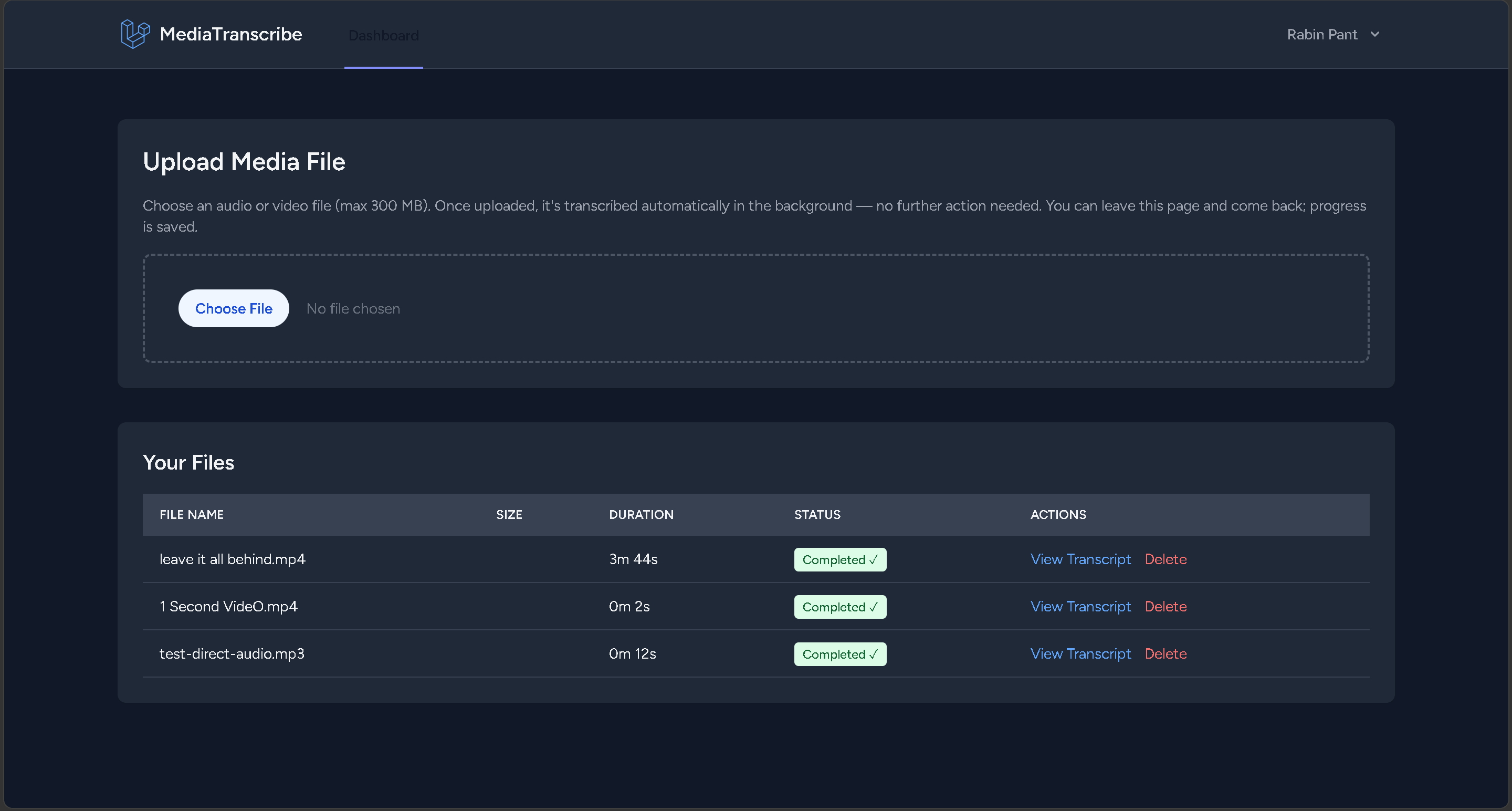
MediaTranscribe

A self-hosted media transcription app built with Laravel and React. Upload audio or video, let it transcribe in the background, then edit the timestamped transcript and export it as SRT or plain text.

  • Laravel
  • PHP
  • React
  • Inertia.js
  • PostgreSQL
  • Redis
  • FFmpeg
  • Whisper
Source on GitHub for MediaTranscribe (opens in a new tab)
MediaTranscribe application interface

The problem

Every decent transcription tool wants you to upload your recording to someone else's server and pay by the minute. That's a hard sell when the audio is a client call, an interview, or anything you'd rather not hand over.

How I built it

I built a transcription app that runs entirely on your own machine. Whisper does the speech-to-text locally, FFmpeg pulls the audio out of video files, and a Redis-backed queue handles the long jobs so the browser never sits there waiting.

What it does

  • Local transcription with whisper.cpp, no external API
  • FFmpeg audio extraction and validation, uploads up to 300 MB
  • Background queue with live processing status
  • Editable segments with timestamps, exported as SRT or TXT
02 / 04Built in 2025

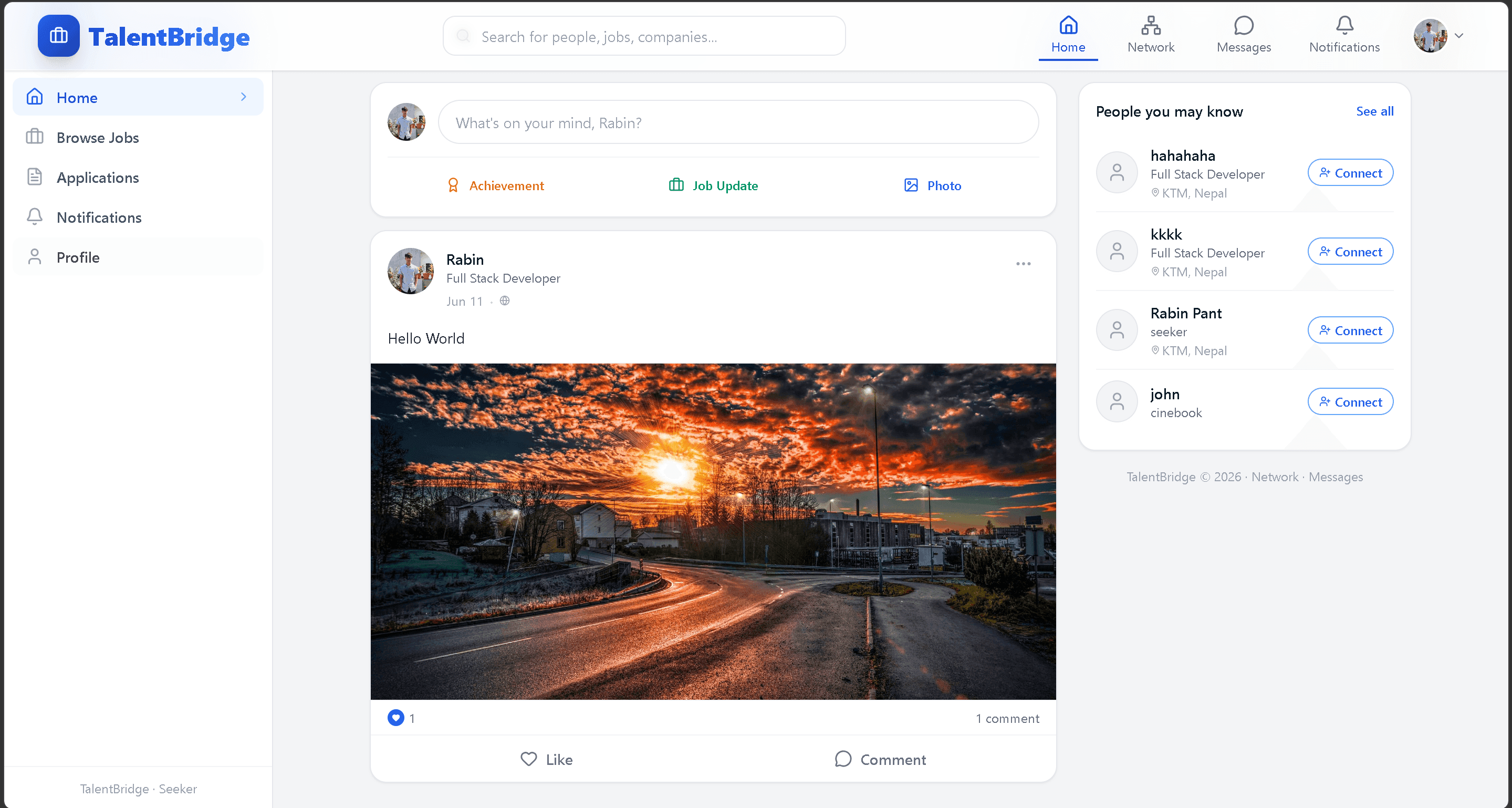
TalentBridge

A full-stack job portal connecting seekers and employers, with real-time messaging, job posting, and an admin dashboard behind it.

  • React
  • Node.js
  • PostgreSQL
  • Prisma
  • Socket.io
  • Tailwind CSS
Source on GitHub for TalentBridge (opens in a new tab)
TalentBridge application interface

The problem

Job seekers spend hours applying into a black hole, and employers spend just as long sorting through applications that were never a fit. Nobody talks to anybody until an offer is already on the table.

How I built it

I built a LinkedIn-style platform where messaging happens in real time, applications are tracked instead of lost, and admins can moderate the whole thing without digging through a database.

What it does

  • Three roles: seeker, employer, admin, each with a different view
  • Real-time messaging with Socket.io
  • Employer verification through document upload
  • A social feed with posts, likes, and comments
03 / 04Built in 2025

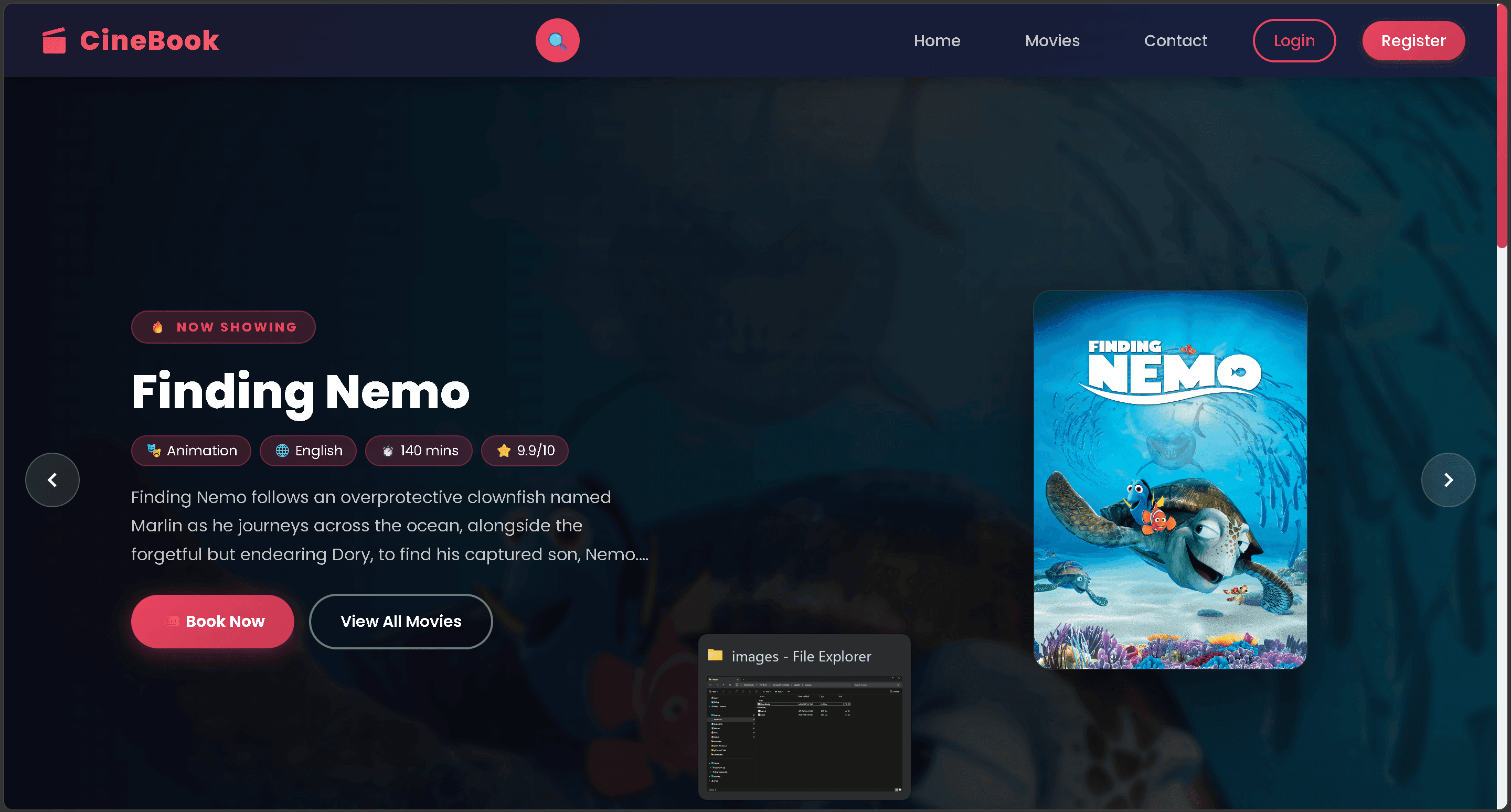
CineBook

A full-stack movie ticket booking system built with Java 17, Jakarta Servlets/JSP, and PostgreSQL. Browse films, hold a seat while you pay through Khalti or eSewa, and walk in with a PDF ticket.

  • Java 17
  • JSP
  • Jakarta Servlets
  • PostgreSQL
  • JDBC
  • Maven
  • Tomcat
  • Chart.js
Source on GitHub for CineBook (opens in a new tab)
CineBook application interface

The problem

Booking a movie ticket in Nepal usually meant showing up in person, or using a booking system with no real seat selection and payment tacked on as an afterthought. Two people could even end up claiming the same seat.

How I built it

I built a booking platform on a plain MVC stack, no framework doing the thinking for me. Auth filters guard every route, DAOs reach PostgreSQL through prepared statements, and the seat map puts a temporary hold on your seat so nobody takes it out from under you mid-checkout.

What it does

  • Live seat map with temporary holds, so two people cannot claim the same seat
  • Khalti and eSewa sandbox checkout, plus cancellations with fee tracking
  • PDF tickets from iText, BCrypt-hashed logins, role-based auth filters on every route
  • Admin dashboard with Chart.js revenue analytics, poster uploads, and seating auto-generated per showtime
  • Builds from a clean clone: the Maven Wrapper and Cargo pull down Maven and Tomcat 10.1 on first run
04 / 04Built in 2025

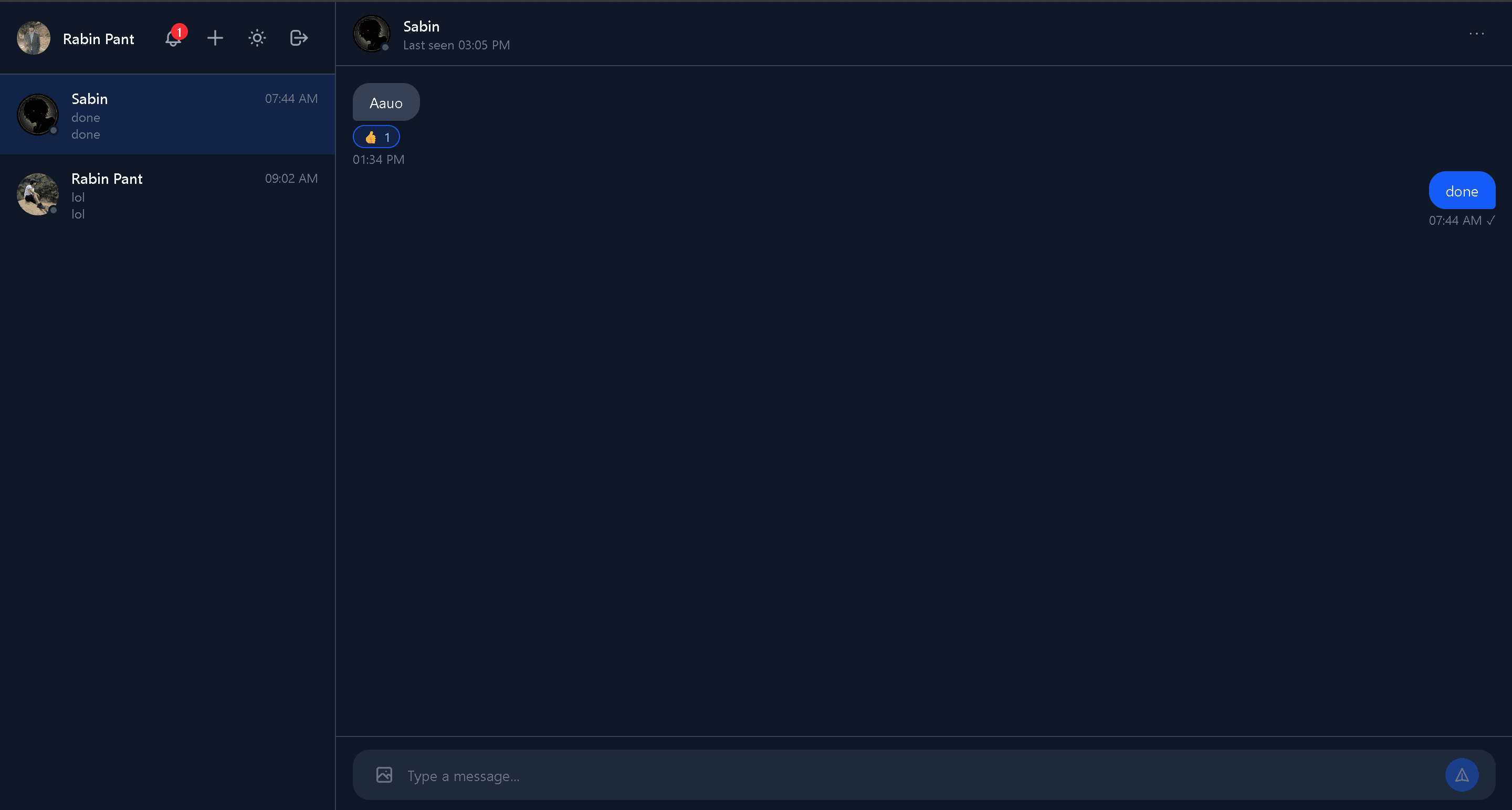
Chat App

A real-time chat app built with Next.js, TypeScript, Socket.io, and PostgreSQL. Direct messages, group chats, and OAuth login.

  • Next.js
  • TypeScript
  • Node.js
  • PostgreSQL
  • Socket.io
  • Tailwind CSS
Source on GitHub for Chat App (opens in a new tab)Live demo of Chat App (opens in a new tab)
Chat App application interface

The problem

Most self-hostable chat apps are either a pain to set up or missing basics like group chats and proper login. I wanted something simple enough to run myself.

How I built it

I built a messaging app with passwordless OTP login, Google OAuth, group chats, emoji reactions, read receipts, and typing indicators, without dragging in a framework I'd have to fight.

What it does

  • Email OTP and Google OAuth for login
  • Real-time messaging with Socket.io
  • Group chats with member roles
  • Read receipts and typing indicators

Get in touch

Got a project or an idea you want to talk through? The form below reaches me directly.

Send a message

Made by Rabin Pant© 2026

Kathmandu, Nepal